
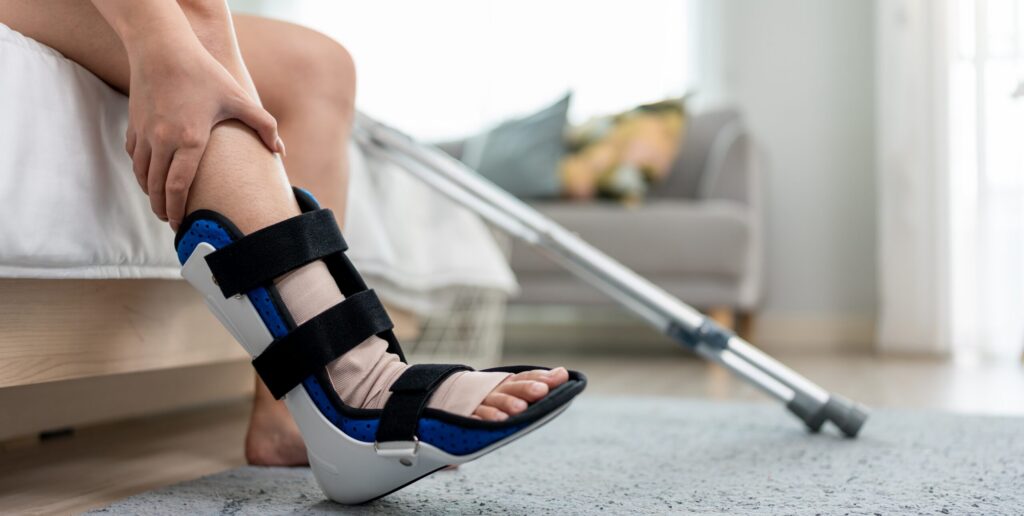
Whether you’re playing sports, exercising, working in the yard, or simply enjoying an active lifestyle, injuries can happen when you least expect them. While physical activity offers tremendous health benefits, even routine activities can sometimes result in sprains, strains, fractures, dislocations, or tendon injuries.
When an injury occurs, receiving prompt medical attention is important to reduce pain, prevent further damage, and support proper healing. One of the most effective tools healthcare providers use in the early treatment of orthopedic injuries is a splint.
What Is a Splint?
A splint is a supportive device used to stabilize an injured body part, limit movement, and protect bones, muscles, ligaments, and tendons while healing begins.
Unlike a traditional cast, a splint is often adjustable and allows room for swelling that commonly occurs during the first few days after an injury. This flexibility makes splints an excellent option for the initial management of many orthopedic injuries.
When Is a Splint Used?
Splints are commonly used to treat a variety of injuries, including:
- Wrist injuries
- Finger fractures
- Ankle sprains
- Lower leg injuries
- Suspected broken bones
- Tendon and ligament injuries
By immobilizing the injured area, splints help reduce pain, minimize movement, and prevent further injury during daily activities or while awaiting additional treatment.
Why Proper Evaluation Matters
Many people are tempted to “play through the pain” or continue normal activities after an injury. However, significant pain, swelling, bruising, or visible deformity may indicate a more serious condition that requires medical evaluation.
Diagnostic imaging, such as X-rays, often plays a critical role in determining the extent of an injury and identifying the most appropriate treatment plan. In many cases, imaging helps providers determine whether a splint, brace, cast, or other intervention is needed.
At our urgent care centers, on-site radiology services allow providers to quickly evaluate injuries and begin treatment without unnecessary delays.
Different Types of Splints for Different Injuries
Not all injuries require the same type of splint. Healthcare providers select splints based on the location and severity of the injury.
Some injuries can be treated with ready-made braces or durable medical equipment (DME), while others benefit from custom-molded splints created using materials such as Orthoglass. These customized splints provide support, protection, and flexibility while accommodating swelling and promoting healing.
First Aid for Sports and Orthopedic Injuries
While seeking medical care is important, there are several steps you can take immediately after an injury occurs. Many orthopedic injuries benefit from the RICE method:
Rest: Avoid activities that cause pain or place additional stress on the injured area.
Ice: Apply ice packs for 15 to 20 minutes at a time to help reduce swelling and discomfort.
Compression: Use an elastic bandage or wrap if recommended to help control swelling.
Elevation: Keep the injured area elevated above heart level whenever possible.
When Should You Seek Medical Care?
You should seek prompt medical attention if you experience:
- Severe or persistent pain
- Significant swelling
- Numbness or tingling
- Visible deformity
- Inability to bear weight
- Limited range of motion
- Suspected fracture or dislocation
Proper splint application and follow-up care are essential to avoid complications such as circulation problems, skin irritation, or delayed healing.
Returning to Activity Safely
With timely treatment, appropriate splinting, and a gradual return to activity, many orthopedic and sports-related injuries heal successfully.
Once recovered, injury prevention becomes the next priority. To reduce your risk of future injuries:
- Warm up and stretch before activity
- Stay properly hydrated
- Maintain conditioning and strength training
- Wear appropriate footwear
- Use recommended protective equipment
- Avoid overtraining and allow adequate recovery time
We’re Here When Injuries Happen
Whether you’re an athlete, weekend warrior, or simply active in your daily life, injuries can happen. Our providers are experienced in evaluating orthopedic injuries, performing on-site X-rays, and providing appropriate treatment, including splinting when needed.
If you experience a sprain, strain, fracture, or other orthopedic injury, walk in or schedule an appointment at one of our conveniently located urgent care centers for prompt evaluation and treatment so you can get back to doing what you love safely and confidently.
– Dr. Matt Browning is the Chief Medical Officer for Urgent Team Family of Urgent Care & Walk-In Centers.